Compact DSLR-wannabe Samsung NX10 gets reviewed but not liked

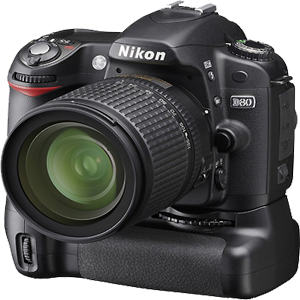
The Samsung NX10 is the most compact interchangeable lens camera with an APS-C sized sensor on the market. But is it also the ultimate camera for photography enthusiasts? Luckily, the review I’ve found gives the answers to most questions that you and I have about the NX10.

main Compact DSLR wannabe Samsung NX10 gets reviewed but not liked

Just to have that cleared, I know that there are way smaller and lighter mirrorless interchangeable lens cameras on the market but none of them packs such a large sensor. And sensor size is important usually the larger the sensor, the better the higher ISO results.

NX10 is afraid of the dark

The NX10 APS-C sensor is 50% larger than sensors used in the available Micro Four Thirds cams. That should also mean that noise shouldn’t be such an issue for the NX10 as it is for the Micro Four Thirds Olympus and Panasonic cameras out there.

As it turns out, the mirrorless NX10 achieves better high ISO results than the competition. On the other hand, when compared to DSLRs with similarly sized sensors, the NX10 fails to impress.

And while the helpful JPEG engine gets rid of much of the noise, it also takes away the fine detail. And why would you go for a 14-megapixel DSLR-like camera if images shot with it lack detail?

Luckily, RAW files are able to keep the detail and using the desktop software you can remove the annoying noise and keep images full of detail. By the way, if you’re not going to print posters, NX10’s noise shouldn’t be an issue for you.

NX10 is slow

The other major issue of the Samsung NX10 is its poor buffering. You may need to way for a few second after pressing the shutter before you can use the camera again. And if you decide to shoot videos, camera starts recording a good one second after you tap the shutter button. On top of that, the NX10 happens to cut the last half second of the clip while saving it.

NX10 owners will also miss the in-body image stabilization which some of the competitors come with. However, two of the available lenses are stabilized and the one that isn’t is fast enough (F2.0) to compensate.

NX10 is compact

And that’s a big plus. Well, it may be larger than the PEN E-P2 of Olympus or Panasonic’s GF1 but it still is way smaller than any DSLR out there (the tiny Olympus E-420 included).

As any other camera, the Samsung NX10 has its own flaws but none of them are serious enough to become a real deal breaker. So, if you are looking for a compact DSLR-wannabe and can live with its flaws, the NX10 is an option worth a look.

And here goes the link to dpreview.com’s extensive review of the Samsung NX10.

Source

Read rest of entry

LG Optimus GT540


LG Optimus GT540 budget Android phone has just been made official by the South Korean giant. While it’s not a match for the powerhouse flagship LG LU2300, it promises the looks, and potentially the pricetag, of an LG Viewty, with Google’s smart OS stuffed inside. Read on for the lowdown, and the photos.

The LG Optimus GT540 has been floating around at tradeshows for the past few months, but LG’s just confirmed the final specs and name over on its French blog (Though a post confirming the LG Optimus name has since been removed), along with its intention to echo the LG Viewty design model – LG’s well loved budget range of touchscreen phones.

The LG Optimus GT540 Android phone comes in several colours, white, black, grey and pink, and packs in some reasonable specs for a mid-range Androd mobile: a 420×320 3-inch screen, HSDPA and Wi-Fi for quick surfing, GPS, a three megapixel camera and a 3.5mm audio jack so you can bring your own cans. Unfortunately, the three inch screen is resistive, meaning you might be better off going with a more finger friendly HTC Hero if you want an Android handset at a knockdown price.
Read rest of entry

LG GW550


The new 3G compatible Quad band mobile phone LG GW550 is designed for the demanding life of today’s business person as well as youth who need the power of PC communication to be readily available in their handsets for optimum social networking on the go, LG-GW550’s slim design and convenient productivity tools help users manage their time well, be connected around the clock and work more efficiently.

The Handset is incorporated with a full QWERTY keyboard and if you want to use Internet then LG GW550 makes it possible with WAP 2.0 web browser that supports HTML and XHTML technologies. This remarkable handset also has EDGE and GPRS technologies for the hi-speed connectivity.

Users can customize the LG GW550 by changing the wallpapers and screen savers alternatively and download from LG App Store. It also equipped with Wireless Bluetooth, cabled USB, 3G HSDPA and HSUPA.

LG GW550 has a 2.4 inches colour screen that provides a 65k colour show with a screen resolution of 320 x 240 pixels. Users can get MicroSD memory card slot that supports up to 8GB. It comprises Quad band technology that covers four GSM networks with HSDPA 900 & 2100.
Read rest of entry

Samsung Reality


Samsung Reality announced by Verizon Wireless and Samsung will be available on April 22. The sleek and stylish Samsung Reality, available in two color options – Piano Black and City Red – sports a three-inch touch screen show, full horizontal slide-out QWERTY keyboard, customizable widgets, and multiple messaging options.

The Samsung Reality supports Samsung’s unique TouchWiz interface, which offers specially designed widgets that allow customers to customize and personalize their phones. The Communities widget allows customers to update social networking sites, post pictures and upload videos to YouTube(TM) and other Web sites instantly. The Samsung Reality also features one-touch widgets, which provide instant access to favorite Web sites on the phone’s full HTML Web browser.

Key features and specifications:
– 3 inch WQVGA (240 x 400) full touch screen
– Horizontal slide-out QWERTY keyboard
– Full suite of messaging options, including text, picture, video and voice messaging; Mobile IM; Mobile Chat; Mobile Email; and Mobile Web Email
– 3.2 megapixel camera with Night Shot Mode; single, multi, panorama, mosaic and frame shot modes; and video capture capabilities
– Photo editing features, including Dynamic Canvas, which supports flash animations in pictures
– Bluetooth® technology with support for headset, hands-free, Dial Up Networking, stereo, phonebook access, basic print, basic imaging, object push for vCard and vCalendar, File Transfer and serial port
– Corporate Email (formerly RemoSync) support for Microsoft Office Exchange so customers can synchronize corporate e-mail, contacts and calendars from their office e-mail
– microSD(TM) card slot with support for up to 16 GB (card bought separately)
Read rest of entry

Nokia X3


Nokia X3 joins the all-new Nokia X6 music, the first Series 40 device to come Ovi Store enabled. Sharing some of the X6’s design cues, the Nokia X3 slider sports a 3.2-megapixel camera, a diminutive frame and 2.2-inch screen. Stereo speakers, dedicated music keys and support for up to 16GB of storage via microSD card make for a nifty mobile music device. The X3 also sports an active homescreen where users will be able to see their contacts, friends and current music playing. Music lovers will also be able to continue listening on flights thanks to flight mode.

Bluetooth 2.1 is supported with stereo audio profiles for wireless musical enjoyment. Wire fans will be able to use standard headphones thanks to the 3.5mm headphone jack. Full speed USB 2.0 makes music transfer quick and simple and music can be managed via the Ovi Player PC client and Windows Media Player 11.

Messaging is well supported too. Alongside a common inbox for SMS and MMS in conversational view, Nokia Xpress Audio Messaging is supported and Nokia Messaging 2.0 brings users’ existing email and IM accounts to the device.

The Nokia X3 goes on sale in the fourth quarter of 2009 for an estimated retail price of EUR115 before taxes and subsidies.
Read rest of entry

Nokia 5230


Nokia 5230 Nuron is a smartphone solution for the masses packed with applications, maps with turn-by-turn directions, and more. Operating on T-Mobile’s blazing-quick 3G network, the Nokia Nuron offers dynamic Web browsing and rich experiences on a 3.2″ touch screen. The device is also the first pre-loaded with Ovi Maps, a free turn-by-turn navigation solution from Nokia, and the first to have the Ovi Store pre-loaded, giving consumers access to thousands of compelling applications and games. The Nokia Nuron is expected to be available in the coming weeks exclusively from T-Mobile.

“The Nokia 5230 Nuron is a fantastic product of our collaboration with T-Mobile USA and provides consumers with more compelling mobile experiences as they navigate, watch video, play games and social network,” said Mark Slater, Vice President, Sales, Nokia. “The Nokia Nuron offers U.S. consumers a unique and compelling mobile experience that caters to their everyday needs and enables them to connect to their passions with an affordable 3G touch smartphone.”

The Nokia Nuron is a mobile solution that allows consumers to easily make their way around town, download content and applications to keep them entertained, or help to manage their busy lives. Consumers can keep up with friends and family via IM, text, personal or work e-mail, and offers the ability to easily surf the Web with a full HTML browser.
source (http://phonehunt.com)
Read rest of entry

Samsung Reclaim - M560


This phone with feature-wise, it's similar to the Exclaim, trading a dual-slide design for a landscape QWERTY slider design.

Key features include Outlook sync, 3.5mm audio jack, 2-megapixel camera with video, EVDO data, memory card slot, and stereo Bluetooth.


Short Specification of Samsung - M560 :

Modes → CDMA 850 / CDMA 1900
Weight 3.5 oz → (99 g)
Dimensions → 3.68" x 2.33" x 0.67" (93 x 59 x 17 mm)
Form Factor Slide
Internal Antenna
Battery Talk → 6 hours max. (360 minutes) 1000 mAh LiIon
Display Type → LCD (Color TFT/TFD)
Resolution → 320 x 240 pixels (QVGA) 2.4" diagonal
Colors → 262,144 (18-bit)
Platform / OS → (proprietary)
Memory → 110 MB(internal memory available to user for storage)
Phone Book Capacity → 600(syncs with Exchange)


Planned Availability: August 16, 2009
FCC ID A3LSPHM560 » (Approved Jun 12, 2009)
Read rest of entry

iPhone OS: 25 Things It Really Needs (Even Now)

When the iPhone OS 3.0 was released last June, I made a wish list of features that were missing. Those requests were a lot like the ones I still have.When Apple started inviting journalists to a press event this Thursday to discuss the future of the iPhone OS, I made a mental note to publish a list of features I’d like to see. Then I remembered: I already composed a wish list back in June of last year, on the day iPhone OS 3.0 was released. It’s not precisely the inventory of desires I’d come up with today, after spending many months with an iPhone 3GS and trying out competitors such as the Droid. And if I were asking for new iPhone OS features today, I’d be just as likely to request ones that were iPad-related.Overall, though, my iPhone OS requests from last June are a lot like the ones I still have. So (after the jump) here’s my original story, with “2010 thoughts” embedded where appropriate. After Thursday’s news, I’ll take a look at how closely Apple’s list of Necessary iPhone OS Improvements mirrored mine.What would you like to see in iPhone OS 4.0 and beyond?iPhone OS: 25 Things It Really Needs (Even Now)I’m not sure how operating-system version numbers translate into human years, but this I know: 3.0 is still well short of adulthood. Windows 3.0 was the first version that was recognizable as Windows at all; Mac OS 3.0 came along so long ago that I don’t remember anything about it.So it’s no knock on version 3.0 of the iPhone software to say that even though it contains 100 new features–some of which are a big deal–there are plenty more it could benefit from. What follows is a highly personal list of stuff I think this OS needs–and as far as I know, none of it is in OS 3.0. If we see some of it in OS 3.1, and more in 4.0, and a sizable chunk by 5.0, I’ll be a contented man.I said the list is personal, but I tried to be realistic. It contains nothing that I can’t see Apple enabling, or which would require new hardware. I also didn’t include multitasking or Flash support on this list. They’ve been covered to death, and my gut tells me neither is coming to the iPhone soon. Consider them features #26 and #27 if you like, though–and I do suggest some things that might lessen the need for them.Ready to celebrate the release of OS 3.0 (which is due later today) by being dissatisfied, nitpicky, and generally unreasonable? Here we go.iPhone OS still needs…1. Home screen folders. The iPhone desktop is made up of a super-wide, horizontally-scrolling workspace, so it’s possible to sort different sorts of apps into their own screens. But moving them around is a hassle, and you can’t jump directly from any screen to any other one. I want something that the old Palm OS had eons ago: The ability to easily organize apps into folders. [2010 thought: The iPad really needs this.]2. A Home screen that flips into landscape mode. Most of OS 3.0’s apps now let you work with the nice, wide keyboard enabled by rotating the phone 90 degrees. I’d like to be able to use the phone almost continuously in landscape format if I felt like it–which I guess means that the settings screens and App Store should flip as well as the desktop.
Read rest of entry

iPad's First-Day Stutters: Problems Charging Over USB and iPhone App Upscaling


The underlying problems, things like the lack of multitasking, expandability, the anemic iBookstore selection--all that stuff has been covered in the initial reviews. It's something else entirely to actually have an Apple iPad in your hands, playing with it--you'll discover quirks that only come from use, and the Internet community has been very vocal about them.Charging (or Not) Over USBConsumer Reports reports (ha!) that charging the iPad over USB is, at best, hit-and-miss. Plugging an iPad into a computer's USB port, instead of an AC jack, often results in syncing only, with the battery refusing to charge. Initially it was thought to be some kind of snarky OS problem, since USB ports in Windows and Linux machines seemed to have the lowest success rate in charging, but Apple responded in the negative: it's a simple power issue.The iPad requires 10W of energy to charge, much more than a typical USB port allows to trickle out. Many modern desktops, including Apple's own iMac, will have a "high power" USB port that can supply that kind of power, though it'll still charge extremely slowly compared to an AC outlet (some have said it's about a third as fast). That means most laptop USB ports won't charge it (one exception is Apple's newest MacBook Pro) and accessories like USB hubs and USB-sporting keyboards are certainly out of the picture. Good thing Apple included that impressive 10- to 12-hour battery life, right?The Problem With iPhone AppsEarly reviews focused on the new, and by all accounts impressive (yet expensive) iPad apps. Why cover iPhone apps everyone already knows? Most reviews sufficed to mention that iPhone apps do indeed work, either in the "tiny picture in the middle of the screen" mode, and blown up to fit the iPad's bigger screen. But as it turns out, you'll mostly need to opt for those expensive native iPad apps--iPhone apps are usable, but you won't want to use them.Gizmodo's John Herrman explains exactly why these upscaled iPhone apps are a little bit...yeck. Text is a serious problem, blown up and blocky and pixelated, but that's not even the worst part. The problem, which somehow nobody realized until today, is that iPhone apps simply aren't designed for the bigger screen:But the most jarring aspect of it all, as shown by the Tweetdeck apps, is that iPhone apps simply aren't designed for the larger screen. They look cartoonish. Text is massive. Buttons take up too much space. In the case of text-based apps, the iPhone-centric design is enough to render them useless. If an app hasn't been designed for the iPad specifically, you probably won't enjoy using it.The one exception seems to be games, where the comparative dearth of both text and, often, buttons makes them less susceptible to Upscaled Disease. Maybe it's best to think about iPhone apps as a "just in case," rather than the core of the iPad's app catalog.You Need a CaseThis is a hard one to hear. Real gadget geeks hate cases. Modern gadgets, maybe especially those from Jonathan Ives's Apple studio, are designed to be as beautiful as they are functional. Putting gadgets in cases ruins the sleek lines and the careful choice of materials, and replaces them with a crappy $15 sleeve. Live dangerously, we say! The beauty is worth the risk!But the iPad needs a case. It's too big to be protected by a pocket, and tossing it in a backpack is just too dangerous, really: it's too small to fill out any bag like a laptop does, and considering its most important element is a totally unprotected, 10-inch screen, it's bound to get scratched all to hell.Even more, the iPad's peculiar design has led many to reason that this thing just needs a case. At 1.5 pounds, it's heavy to hold for long periods of time--many cases, including Apple's own, pack kickstands for superior viewing. And our very own Tyler Gray's adorable son discovered one more problem: the iPad's curved metal backside may be beautiful, but it's extremely unstable. It rotates and slips and slides and all in all makes typing altogether more difficult than it needs to be. So another lesson from today: Even case-haters will buy iPad cases, and given the first day sales, that means a whole lot of cases.

Read rest of entry

Sony Ericsson XPERIA X10 review: Larger than life


Key features
* Quad-band GSM and tri-band 3G support

* 10.2 Mbps HSDPA and 2 Mbps HSUPA support
* 4" capacitive touchscreen of WVGA (480 x 854 pixel) resolution and scratch-resistant surface
* 16M-color ready (65K effective colors under Android OS v1.6)
* Android OS v1.6 with complete Sony Ericsson UI customization
* Timescape and Mediascape UI
* Excellent social networking integration
* Excellent build quality*
Qualcomm QSD8250 Snapdragon 1 GHz CPU, OpenGL ES 2.0 support; 384 MB of RAM
* 8 MP autofocus camera with LED flash, touch focus, image stabilization, geotagging, face and smile detection
* WVGA (800 x 480 pixels) video recording @ 30fps
* Wi-Fi and GPS with A-GPS
* 1GB storage, microSD slot, bundled with an 8GB card
* Accelerometer and proximity sensor
* Standard 3.5 mm audio jack
* microUSB port (charging) and stereo Bluetooth v2.1
* Document viewer
* Li-Po 1500 mAh (BST-41) batteryMain disadvantages
* No DivX and XviD video playback
* No smart and voice dialing
* No secondary video-call camera (or videocalling whatsoever)
* No Flash support for the web browser
* No FM radio* An extra xenon flash would’ve made the very good camera perfec
* Feeble loudspeaker
* Poor audio qualityThe Sony Ericsson XPERIA X10 is company’s first Android-powered device. But being first is not always a good thing.
You have to face some serious initial expectations and justify them. That is the best case scenario. But obviously Sony Ericsson haven’t read that script. Even now, several months after our two X10 previews, there are still some final touches needed.We really hope we’ll get a new software update quite soon and we’ll be able to write off many of the stuff we frowned at this time around.That put aside, the Sony Ericsson XPERIA X10 is a promising device with (mostly) bright future waiting for it. It’s quite a looker, as you see, but it’s also powerful and smart.You just can’t miss the zippy 1GHz processor, or the marvelous 4” capacitive display which takes the whole front. The 8-megapixel autofocus snapper on the back either. On top of that you get great connectivity capabilities and all the popular social networks which are a tap away from you no matter where you are in the phone menu.The two UIs, namely the Timescape and the Mediascape (which is actually not a general UI, but a media interface), look fresh and do great what they were meant to do.But there’s still some stuff that needs polishing. And Android ver. 1.6 is now considered almost outdated – especially for a high-end flagship.The good thing from a user’s point of view though is that there are at least four other devices that you can choose from in this market segment.HTC Google Nexus One and its brother from a different father, the HTC Desire, are just as powerful as the Sony Ericsson XPERIA X10 but both have some advantages over the X10. They feature the latest (so far) version of the Android OS, support multi-touch and have AMOLED touchscreens and a little bit more RAM memory. However, both can’t match the 8-megapixel camera of the XPERIA.Next up is another smartphone made by HTC, the WinMo-based HTC HD2. Windows Mobile devices, as we know them now, are a dying breed but that shouldn’t discourage you from buying one of those. The HD2 has a huge capacitive touchscreen display able to deliver excellent image quality. Also on board is the well-known 1GHz Snapdragon CPU as well as an inbuilt GPS receiver and support for the standard connectivity trio – HSDPA, Wi-Fi and Bluetooth. You also get a 5-megapixel autofocus sharpshooter recording VGA videos at 30fps. Not to mention the access to a huge choice of third-party apps (although not as conveniently concentrated in a single AppStore).Last but not least is the iPhone 3GS. Its processor isn’t that fast, there is no multi-tasking, the display doesn’t measure 4 inches and is of lower resolution. The camera is a joke, and a bad one too. However, there is still no device that can beat iPhone’s UI and the overall experience (not to mention its industry-leading AppStore).As we already mentioned, we expect the retail firmware update to come knocking on our door any moment now, so we’ll update this review should we see improvements in any aspect of the XPERIA X10. For now it remains what it is – a huge leap from what we saw several months back and an exceptional high-end cameraphone with only a few faults that can be exused.
Read rest of entry

Samsung Reclaim - M560

This phone with feature-wise, it's similar to the Exclaim, trading a dual-slide design for a landscape QWERTY slider design.

Key features include Outlook sync, 3.5mm audio jack, 2-megapixel camera with video, EVDO data, memory card slot, and stereo Bluetooth.


Short Specification of Samsung - M560 :

Modes → CDMA 850 / CDMA 1900
Weight 3.5 oz → (99 g)
Dimensions → 3.68" x 2.33" x 0.67" (93 x 59 x 17 mm)
Form Factor Slide
Internal Antenna
Battery Talk → 6 hours max. (360 minutes) 1000 mAh LiIon
Display Type → LCD (Color TFT/TFD)
Resolution → 320 x 240 pixels (QVGA) 2.4" diagonal
Colors → 262,144 (18-bit)
Platform / OS → (proprietary)
Memory → 110 MB(internal memory available to user for storage)
Phone Book Capacity → 600(syncs with Exchange)


Planned Availability: August 16, 2009
FCC ID A3LSPHM560 » (Approved Jun 12, 2009)
Read rest of entry

Nokia C6

An upcoming Nokia handset, dubbed the C6, may actually be the company's entry-level touchscreen slider phone, going below the N97 mini with which it shares styling cues. According to a leak, it will retain a touchscreen and a hidden hardware QWERTY keyboard. The trackpad that is present on the full-size N97 would be back on the C6.

An additional and potentially more noticeable difference would be a more conventional sliding action: it wouldn't angle the phone up towards the user like it does on the N97 and N97 mini. The C6 should have just 256MB of onboard storage, though a microSD slot would let users expand it.

Pricing and release dates for the C6 haven't been made public, though the device is expected to launch in Europe this summer. A North American release is likely shortly thereafter
Read rest of entry

Nokia E72

The QWERTY-equipped E72 includes built-in corporate e-mail support for Exchange and IBM Lotus Notes Traveler, plus 10 personal e-mail accounts. It also features a 5-megapixel camera with flash and auto-focus, several media players, Ovi Maps with GPS, 10 Mbps HSDPA, a standard-size 3.5mm headphone jack, and an optical navigation pad.
Read rest of entry

Nokia N900

Nokia N900, well known as Nokia Rover, is the first ever internet tablet introduced by Nokia. It runs on Linux platform Maemo 5. The Nokia N900 features an ARM Cortex-A8 processor, 5MP camera, up to 1GB of memory separated for applications, 3.5” touch screen, PowerVR SGX with OpenGL ES 2.0 support, virtual memory of 768 MB, 256 MB RAM, and 32GB of internet storage to name a few.
The Nokia N900 arrives with a built-in slide-out QWERTY keyboard, making it incredibly easier for users to type messages and mails instantly. The 3.5” touch screen delivers the perfect images view and video playbacks as it supports 800x480 pixels of resolution, which is no doubt better for watching purpose. The wide touch screen also enables users to easily navigate all the way through this amazing smart phone. The build quality of the N900 highly resembles the Nokia E75 according to sources.

This handset features an awesome 5MP camera that arrives with Carl Zeiss optics, CMOS sensor, Tessar lens, Autofocus, 3X digital zoom, and duel LED flash. The picture quality that N900 offers is superb and it is obvious as well, after all, besides these features, there are also various capture modes available, including automatic, action, landscape, macro, video, and portrait. No matter where and when you choose to capture your very next image, if you’re accompanied with the Nokia N900 you can ensure that the moments you capture with your cell phone will be of true color and high resolution. The quality of videos shot with this handset is also great and they are recorded in .mp4, .codec, and .MPEG-4 format. Moreover, N900 supports the video playback of almost every standard format out there, including .mp4, .3gp, .avi, .wmv and codes: Xvid, MPEG-4, H.263, and H.264.

If you adore music and often spend most of the times listening to your favorite tracks, then N900 is undeniably a better option for you. With N900, you can have a remarkable music experience as you always wanted. Additionally, Maemo Music Player adds further level of enjoyment and comfort to your musical trip. Comfortable yet outstanding internet surfing is obvious with Nokia N900 because it features Mozilla powered Maemo Browser in addition to Adobe Flash™ 9.4 for flawless internet surfing.

The N900 also features today’s most admired feature in the world of smart phones called the GPS. Additionally, this smart phone features built-in FM tuner, Bluetooth 2.0, GPRS, EDGE, HSPA, WCDMA, and Geo-tagging. When purchasing this handset, you’ll be offered with this incredible handset in a package box. The package box includes Nokia Battery, travel charger, video out cable, Nokia stereo headset, Nokia charger adopter, and a cleaning cloth. The Nuka N900 has only been made available in Black color and comes with default games, such as Bounce, Mahjong and Chess.
In a nutshell, Nokia N900 is something that you should look for if you’re planning to get yourself an ideal smart phone. The only bad thing about this smart phone is that it arrives with a pretty huge price tag so you need to have a deep pocket for owning it.
Read rest of entry

Sony Ericsson Xperia

Sony Ericsson Xperia™ X10 mini and X10 mini pro, compact versions of Xperia™ X10, will deliver powerful and application packed mobile phones into the industry. By introducing mobile phones that are both compact and clever, Sony Ericsson is challenging the norm and defining a brand new offering that combines high specification features with a version of Sony Ericsson’s powerful UX platform specifically designed for smaller devices.

Xperia™ X10 mini and X10 mini pro with slide out QWERTY keyboard offer an open and intuitive communication entertainment experience and build on the human curvature design philosophy debuted by the Sony Ericsson Xperia™ X10. Combining the Android platform with signature applications and a customisable UX platform, communication truly becomes entertainment with these new mobile phones. To enhance the experience, pick and choose from a multitude of applications at Android Market™ and co-create a mobile phone experience that is entirely unique. Users can go one step further and customise the home screen’s four corners and widgets to access the most needed applications for limitless possibilities.

The two sister mobile phones incorporate the signature application Sony Ericsson Timescape™ which brings all communication together in one place so users can see at a glance text messages, missed calls, and Facebook™ and Twitter updates, without having to open lots of different applications. The interactive music player also uses the “infinite button” to pull together all music content from the music store and YouTube™ – a smart way to search for new tracks from a favourite artist.

“There has been an enormous buzz around Xperia™ X10 so it is really exciting to be already unveiling compact versions of this powerful proposition.” Said Rikko Sakaguchi, EVP and Chief Creation Officer, Sony Ericsson. “With the X10 mini and X10 mini pro we have pushed the boundaries of what is possible with smaller devices and are giving consumers exactly what they want; two high performance mobile phones with a fully customisable user experience platform and a stunning ultra-compact design.”

Xperia™ X10 mini and X10 mini pro

Sony Ericsson Timescape™ - brings together all communication in one place
Four corner control – applications, calls, web, the consumer decides. Four customisable icons for ultimate control
5 megapixel camera and video - share creations via the web
Music player links to music stores and YouTube™ - access the world of music
Android platform - with Google™ services and Android Market™
QWERTY keyboard - slide and text for quick and easy messaging (Xperia™ X10 mini pro only)
X10 mini and X10 mini pro supports HSPA 900/2100 and EDGE 850/900/1800/1900, HSPA 850/1900/2100 and EDGE 850/900/1800/1900.

The X10 mini will be available in selected markets from Q2 in the colours Pearl White, Black, Pink, Lime, Red and Silver

The X10 mini pro will be available in selected markets from Q2 in the colours Black and Red.
Read rest of entry

Skype for Symbian Now Available at Nokia’s Ovi Store


Skype for Symbian is now downloadable for free from the Ovi Store according to the joint announcement on Wednesday. It will allow Nokia users worldwide to make free Skype-to-Skype calls and save money on calls and SMS to phones abroad. This is great for those who have an unlimited data plan.
Ididn’t know how cheap Skype was until I heard about the announcement. For example, it’s only $2.95 per month for unlimited calls in the US and Canada and $30 per year for a telephone number so non-Skype callers can reach you from any phone. If you find a provider that offers affordable and reliable data-only service, it could be a smart idea to ditch the cellular voice plan.
The initial Skype for Symbian application is compatible with the following Nokia touchscreen models: Nokia N97, Nokia N97 mini, Nokia X6, Nokia 5800 XpressMusic and Nokia 5530 and the following non-touch devices: Nokia E72, Nokia E71, Nokia E90, Nokia E63, Nokia E66, Nokia E51, Nokia N96, Nokia N95, Nokia N95 8Gb, Nokia N85, Nokia N82, Nokia N81, Nokia N81 8 Gb, Nokia N79, Nokia N78, Nokia 6220 classic, Nokia 6210 Navigator, Nokia 5320.
Read rest of entry

Nokia N97


The Nokia N97 is here! All the buzz and chat is around the net, the Nokia N97 is going to be released on the 15th June.With the popularity of this phone, stock is going to be in high demand, so to beat the rush you can get your pre-order in, NOW!!Mobiles.co.uk are one of the leading online mobile phone retailers in the UK, and have the N97 available to order, now, on O2 and Orange. For those who've been living in a cave these last few weeks, the Nokia N97 is the latest powerhouse device in the multimedia NSeries range. Features include:- Vivid 3.5 inch Touchscreen display!- Full QWERTY Keyboard - unique slide design!- 32GB internal memory plus memory card slot!- 5.0 Megapixel camera with Carl Zeiss Lens and auto focus!- Full Support for Facebook - upload photos, message friends and update your status!- HSDPA mobile broadband, Wi-Fi and built-in GPS SatNav!- Symbian operating system - customise your N97 with downloadable apps from the Ovi Store!
Read rest of entry

LG KF305 Phone


LG KF305 has been announced, now more and more people are talking about it, so I think I should share it with you guys today. Well, let’s find out what’s really cool about this phone.
LG KF305 is a stylish tri-band GSM clamshell. It boasts 262k color TFT display, 2MP camera, stereo bluetooth, microSD slot for memory, music player and FM radio.The LG KF305 Phone comes with some really cool features, let’s take a look.
Features:
* The 2.2-inch main display features a 240 x 320 pixel resolution with 256K colors.
* External 1.3-inch 256K TFT display with 128 x 160 pixels.
* Measures 98.8 x 49.5 x 16.2mm and weighs 90g.
* 2 megapixel camera with 15fps QVGA video.
* Internal memory of 40MB and expandable up to 4GB via microSD card slot.
* Up to 3 hours 30min talk time and 350 hours stand-by Battery life.
* Bluetooth: v2.0 with A2DP.Of course, these are just the main features this LG phone offers, you’ll find out more when you get the phone.
Read rest of entry

BlackBerry Curve 8900 Phone, Black (AT&T)


The built-in Wi-Fi (802.11 b/g) makes it easy to connect to a home or office wireless network, and if you select an unlimited data plan with the Curve 8900 you’ll receive free AT&T Wi-Fi access at nearly 20,000 hotspots in the U.S.–including retail stores, restaurants and airports. So I’m sure you’ll love this phone too.The BlackBerry Curve 8900 comes with a lot of impressive features, let’s take a look.

Features:With a refined design, the BlackBerry Curve 8900 smartphone supports both your professional and personal mobile communication needs to help you enjoy a more organized, balanced life.The striking 2.4-inch, 480 x 360-pixel display (65K colors) serves up crisp images, text and maps so information is easier to read, even when you’re on the go.You can snap vivid photos as well as video clips using the 3.2-megapixel camera on the back of the Curve, which also features a 2x digital zoom, auto focus, image stabilization, and a flash.You can also capture video clips on the go, with two resolution choices–480 x 352 pixels for saving to your PC and 176 x 144 pixels for sending via MMS messaging.Listen to your favorite music using the included stereo headset, or use an optional wireless headphone thanks to the Curve’s support for the Bluetooth stereo audio profile (A2DP/AVRCP).Hands-free communication is easy thanks to the integrated speakerphone. This phone also provides Bluetooth wireless connectivity (version 2.0 + EDR), and includes profiles for communication headset, hands-free car kits, and file transfer.With the Voice-Activated Dialing (VAD) feature, you can initiate a call just by telling the Curve whom to call from your contact list–either via the integrated speakerphone or using an optional Bluetooth wireless headset.The BlackBerry Browser on the Curve 8900 is designed to make on-the-go Internet browsing fast and fun–you can even start a search right from the home page.The easier a map is to read, the easier it is to follow. Together with BlackBerry Maps, the crisp, colorful screen of the Curve 8900 is designed to make it easier to find the location of businesses, restaurants, concert venues, parks and more by allowing you to check maps and get driving directions quickly and conveniently.Of course, these are just the main features this BlackBerry Phone offers, you’ll find out more when you get the phone.Specs:* Access all your email and messaging with the sleekest, lightest, thinnest full-QWERTY keyboard BlackBerry yet featuring a high-resolution 480 x 360-pixel LCD screen* EDGE data connectivity; compatible with AT&T Navigator GPS turn-by-turn directions, AT&T Mobile Music* 3.2-megapixel digital camera with flash and video capture; Bluetooth for handsfree communication and stereo music streaming; MicroSD memory expansion up to 16 GB* Up to 5 hours of talk time, up to 360 hours (15 days) of standby time* What’s in the Box: handset, rechargeable battery, charger, USB cable, BlackBerry Desktop software, quick start guide, user manual
Read rest of entry

Unlock Codes for Mobile Phones- free Nokia Samsung Unlocks

NOKIAcell phone code :These Free Nokia Unlock codes will work on most Nokia Mobile Phones(1) *#06# For checking the International Mobile Equipment Identity (IMEI Number).This is useful when your mobile is lost or stolen.Free Motorola and Samsung Unlock codes are in another post.If u find any difficulty to understand this Unlock code for Mobile Phones please write in comment section.2) *#0000# Displays your phones software version,1st Line : Software Version, 2nd Line : Software Release Date, 3rd Line : Compression Type. ( Favorite )(3) *#9999# Phones software version if *#0000# does not work.(4)*3370# Activate Enhanced Full Rate Codec (EFR) - Your phone uses the best sound quality but talk time is reduced my approx. 5%If mobile is locked you can check by this way(8) #pw+1234567890+1# Provider Lock Status. (use the "*" button to obtain the "p,w" and "+" symbols).(9) #pw+1234567890+2# Network Lock Status. (use the "*" button to obtain the "p,w" and "+" symbols).(10) #pw+1234567890+3# Country Lock Status. (use the "*" button to obtain the "p,w" and "+" symbols).(11) #pw+1234567890+4# SIM Card Lock Status. (use the "*" button to obtain the "p,w" and "+" symbols).
Read rest of entry
 

My Blog List

Followers

mobile press Copyright © 2009 Gadget Blog is Designed by Ipietoon Sponsored by Online Business Journal